10.00€
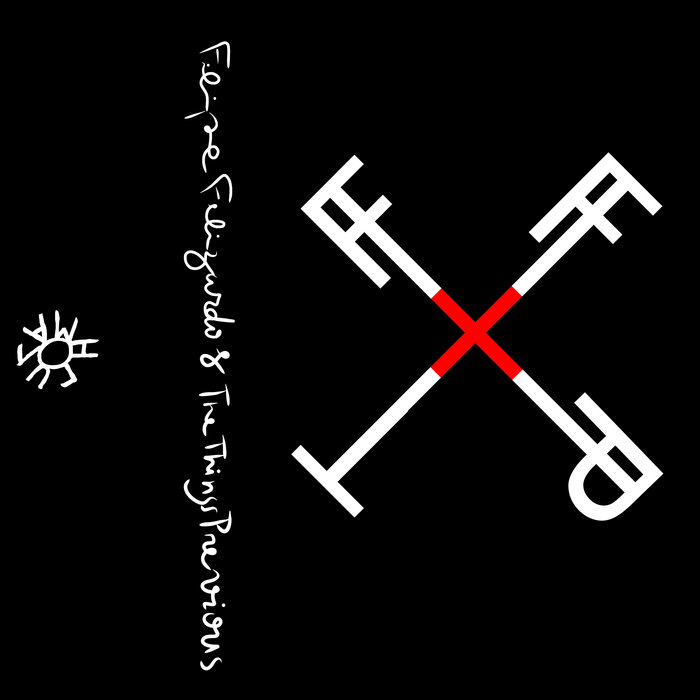


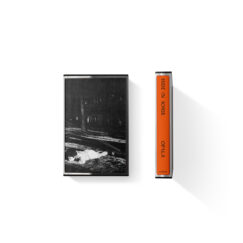
Filipe Felizardo – Red Cross – K7
10.00€
Holuzam
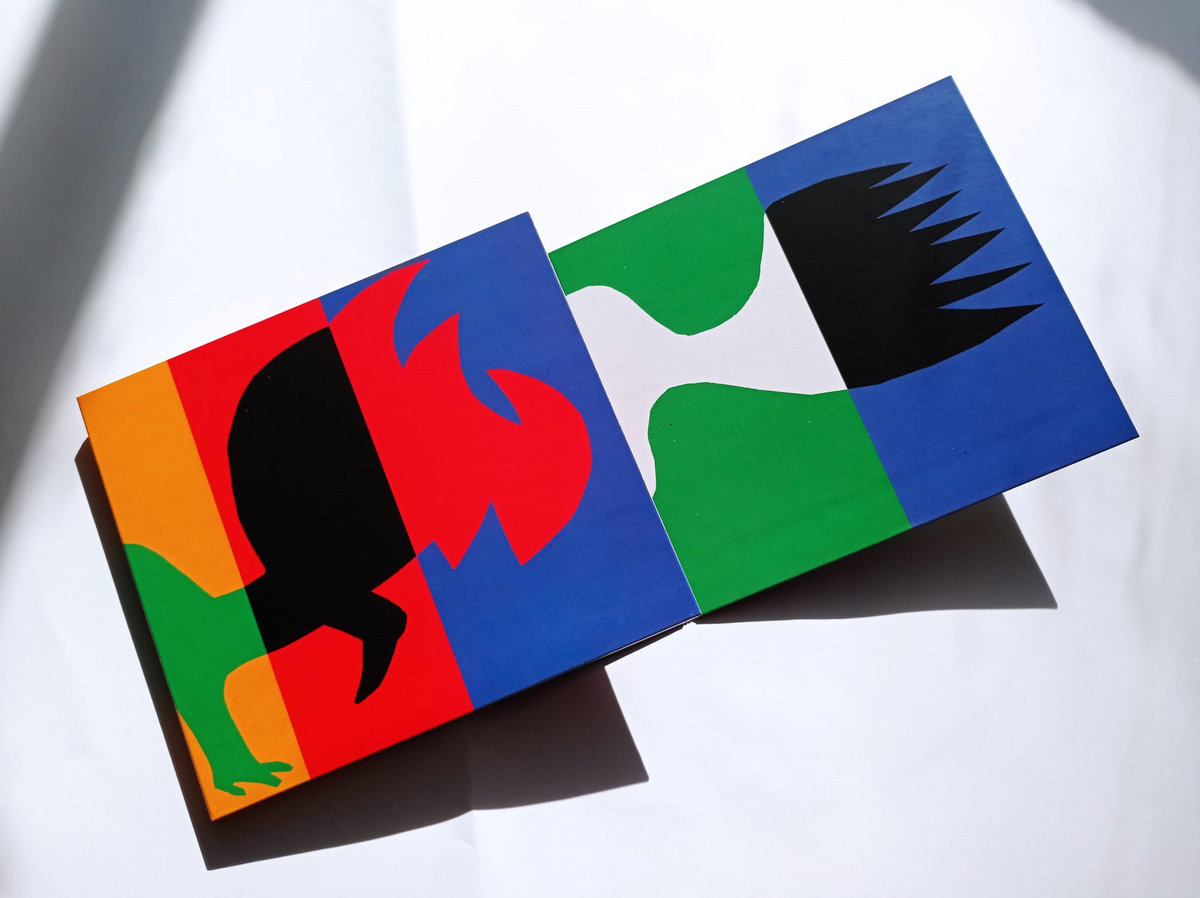
A little bit more than a decade ago, we were introduced to the music of Filipe Felizardo. In all those years we’ve learned about his chameleon-like ability to adapt different states of mind and perception to the way he plays guitar. “Red Cross” is his last declared homage to the late John Fahey, but also a record representing all the imprisonments and liberties of living during a lockdown.
In stock
A little bit more than a decade ago, we were introduced to the music of Filipe Felizardo. In all those years we’ve learned about his chameleon-like ability to adapt different states of mind and perception to the way he plays guitar. “Red Cross” is his last declared homage to the late John Fahey, but also a record representing all the imprisonments and liberties of living during a lockdown.
The two tracks in this release exist in two different moments. “there’s an endness to it” is an expressive love letter to John Fahey. The weightiness and reach of Felizardo’s notes resonate beyond comprehension. In this eleven-minute piece, he plays loud, he asks us to listen to it louder and to be locked in this trapped finger-dance he proposes us to listen to. Although the low sounds create tension throughout the whole duration, he plays the guitar with extreme fluidity that develops beautiful and crafty spiral sounds, that reflect the musician experience, freedom and maturity.
Spiralling down from that, we arrive to thirty-minute piece “when springtime comes again”. The vertigo from “there’s an endness to it” becomes a drone, with feedback taking over, oscillating between light and darkness. It’s impossible not to think about this and remind ourselves of the hope and desperations of the frequent lockdowns in the last year and a half. Picking up from his experiments in “Vol. 9 After The Circle” (Discrepant, 2020), where he created music with the sounds of daily routines, “when springtime comes again” works around those idea of sounds/noises and how the frequencies make part of our lives. Think about a washing machine, a vacuum cleaner or a fridge. You don’t hear them but you sense them in the sound Felizardo‘s produces. He’s playing with our mind in this one. Happily so.
Holuzam
Additional information
| Weight | 150 g |
|---|---|
| Dimensions | 10 × 1 × 7 cm |
| Artist | |
| Label | |
| Genre |
Listen Here: Filipe Felizardo - Red Cross


-
Sale!
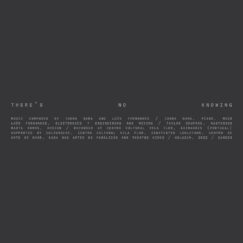

Joana Gama & Luís Fernandes – There’s No Knowing – CD
Original price was: 12.00€.8.00€Current price is: 8.00€.
-
Sale!Out of stock


Polido – Sabor A Terra/A Casa E Os Cães – 2K7
Original price was: 20.00€.17.00€Current price is: 17.00€.






On Sale Records
-
 Sunn O))) - Eternity's Pillars B/W Raise The Chalice & Reverential - 12" (Red)
Original price was: 30.00€.24.00€Current price is: 24.00€.
Sunn O))) - Eternity's Pillars B/W Raise The Chalice & Reverential - 12" (Red)
Original price was: 30.00€.24.00€Current price is: 24.00€.
-
 Benjamin Booker - Lower - LP (Clear)
Original price was: 32.00€.15.00€Current price is: 15.00€.
Benjamin Booker - Lower - LP (Clear)
Original price was: 32.00€.15.00€Current price is: 15.00€.
-
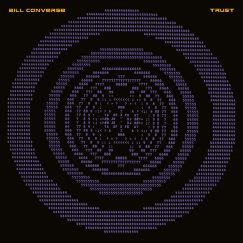 Bill Converse - Trust - LP
Original price was: 28.00€.20.00€Current price is: 20.00€.
Bill Converse - Trust - LP
Original price was: 28.00€.20.00€Current price is: 20.00€.